
The Invisible Armor of TBI Survivors
For many people living with traumatic brain injury and tinnitus, the world eventually becomes a battle between participation and protection.
One of the strangest parts of recovery is realizing that ordinary environments no longer feel ordinary. Grocery stores feel electrically loud. Restaurants become exhausting within minutes. Fluorescent lights seem almost aggressive. Family gatherings that once felt comforting can suddenly feel like standing in the middle of a construction zone with no escape.
This is why so many TBI survivors quietly develop what outsiders sometimes mistake for an “obsession” with sunglasses and headphones.
But for many of us, these are not accessories.
They are neurological tools.
After brain injury, the brain’s filtering system can become impaired. Researchers continue to find strong links between TBI and sensory hypersensitivity, including light sensitivity, sound sensitivity, dizziness, tinnitus, and overstimulation. (ScienceDirect)
Healthy brains constantly sort information in the background. They soften unnecessary sounds, prioritize visual information, and dampen environmental chaos. But many TBI survivors describe losing that filter entirely.
The result is difficult to explain to people who have never experienced it.
A plate dropping in a restaurant does not merely sound loud.
It feels invasive.
Bright overhead lighting does not simply appear bright.
It feels neurologically exhausting.
Even normal conversation in a crowded room can begin to feel like ten radios playing simultaneously.
Add tinnitus into this equation — the constant ringing, buzzing, humming, or static noise that never fully stops — and many survivors begin searching for any way to create a controllable sensory environment.
That is often where the sunglasses and headphones come in.
For some, lightly tinted lenses reduce glare and visual fatigue enough to function in public spaces again. Studies on post-concussion photophobia have shown that tinted lenses and sunglasses may significantly reduce symptom severity in many patients dealing with light sensitivity after brain injury. (Medical Xpress)
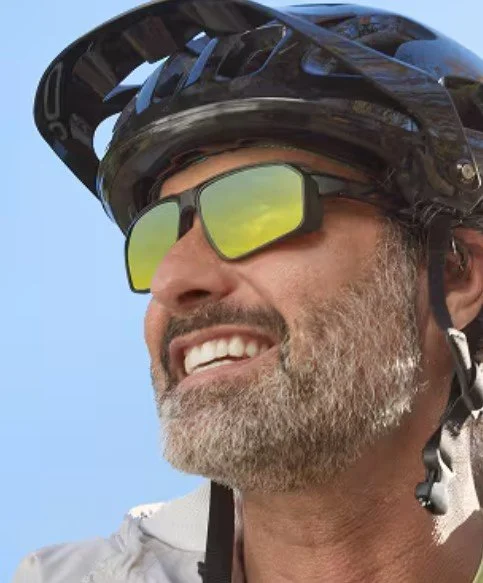
Personally, I’ve found inexpensive tinted sunglasses like these incredibly helpful for reducing visual overstimulation during errands, driving, or screen-heavy days:
The same thing happens with sound.
Many TBI survivors discover that noise-canceling headphones or filtered earbuds create a sense of calm that is difficult to describe to healthy individuals. It is not always about listening to music. Sometimes it is simply about lowering the neurological “gain” of the outside world enough to think clearly again.
Clinicians increasingly recognize that hyperacusis and sound sensitivity after TBI can create anxiety, fatigue, headaches, nausea, dizziness, emotional dysregulation, and social withdrawal. (Flint Rehab)
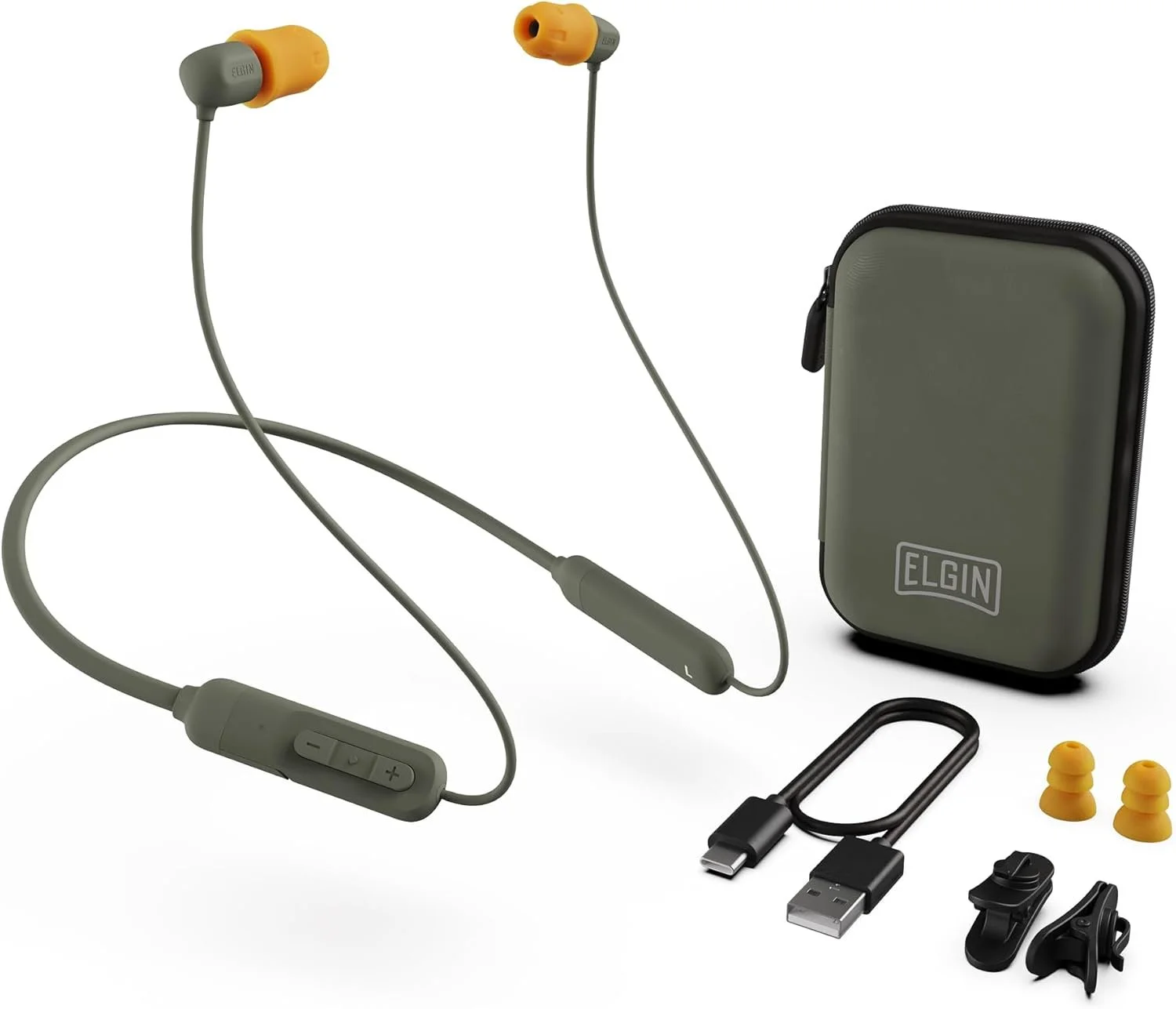
For me, one of the best solutions has been using earbuds that reduce harsh environmental noise without completely isolating me from the world. These have become almost daily equipment:
To someone else, carrying backup headphones everywhere may look excessive.
To a TBI survivor, it can mean the difference between functioning and crashing.
And that “crash” is something many survivors know intimately. One overstimulating environment can trigger hours — sometimes days — of exhaustion, brain fog, irritability, migraines, dizziness, anxiety, or emotional shutdown afterward.
This is also why many TBI survivors unintentionally begin structuring their lives around sensory management:
Quiet environments.
Controlled lighting.
Predictable routines.
Smaller social circles.
Lower stimulation.
Early evenings.
Time outdoors.
Noise reduction.
Recovery spaces.
What society often labels as antisocial behavior is sometimes actually adaptive neurological survival.
Ironically, many survivors are not trying to disconnect from the world.
They are trying desperately to remain functional enough to stay connected to it.
The sunglasses.
The headphones.
The quiet routines.
They are not always signs someone is retreating from life.
Sometimes they are the very things allowing them to continue participating in it at all. (BrainLine)